Emergency plumbing
Leaks, backups, no-hot-water calls, urgent shutoff questions, and phone-first routing.
Urgent leak response, drain diagnostics, and water heater work across the Valley — with straight answers before anyone shows up at your door.
A clogged drain, a leaking pipe, and a dying water heater are different problems — each gets its own clear path, not one generic form.
Leaks, backups, no-hot-water calls, urgent shutoff questions, and phone-first routing.
Clogs, slow drains, sewer backup symptoms, camera inspection, and next-step explanation.
Repair vs. replacement, tank and tankless options, install timing, shutoffs, and estimate prep.
Sink leaks, slab concerns, fixture leaks, water shutoff guidance, and short request intake.
Faucets, toilets, garbage disposals, shutoff valves, and clean job-site expectations.
Small office, retail, and property-manager requests with cleaner routing than a generic form.
Water where it should not be? Call — we answer and can walk you to the shutoff while a tech heads over. Planned work? Two minutes of questions and you are scheduled.
Plumbing is trust work — you are letting someone under your house. Here is how we show ours instead of just claiming “quality.”
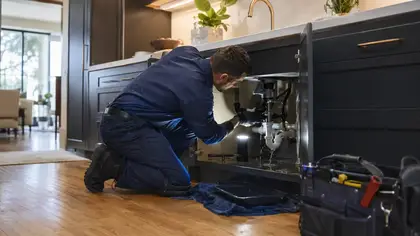
License, coverage, diagnostics pricing, and cleanup standards — in writing before the visit.
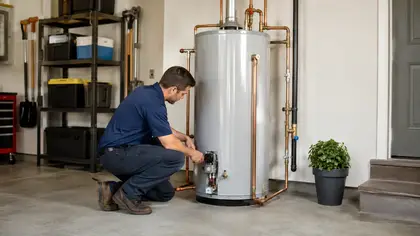
Clean installations with proper shutoffs, pans, and straps — photographed on every job.
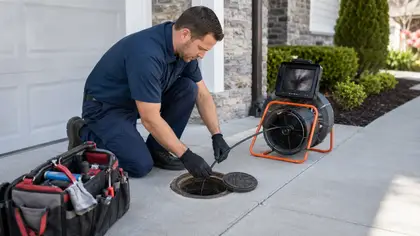
Camera inspection when symptoms call for it — you see the footage and the recommendation together.
No mystery — here is the next step, so you know what to expect before the truck rolls.
Emergency, drain, water heater, leak, or planned work — you explain it once and the right tech gets it.
City, urgency, shutoff status, photos if you have them, and whether someone is at the property.
Diagnostics, estimate review, cleanup expectations, and timing — agreed before work starts.
Phoenix and the East Valley. Outside these areas? Call anyway — we will tell you straight whether we can get to you or point you to someone who can.
Urgent calls accepted across the metro, with honest response windows — not a promise we cannot keep.
Jobs from the neighborhoods we serve — real repairs, real installs, real photos.
Straight answers, no runaround.
Yes — call any time. If you can reach the main shutoff, close it first; we can talk you through it on the phone while a tech heads your way.
Both. Age, leak location, and failure signs tell us which is practical — when it is close, we quote repair and replacement side by side.
Only when the symptoms call for it — recurring backups, slow drains across multiple fixtures, or sewer odors. You see the footage with us.
Yes — floors covered, the work area wiped down, and old parts hauled away unless you want to keep them.
A little planning keeps the urgent call from ever happening — here is what smart homeowners handle early.
Fast phone access, straight answers, and a clean job site when we leave — that is how Valleyline works.