No-cool AC repair
Same-day dispatch, honest arrival windows, and a tech who tells you what failed and what the fix costs.
Urgent no-cool response, planned system replacement, and maintenance memberships across the Valley — with the details you want to see before you book anyone.
Emergency repair, planned replacement, and everything that keeps a Phoenix system running — each with its own clear path.
Same-day dispatch, honest arrival windows, and a tech who tells you what failed and what the fix costs.
Straight talk on sizing, equipment options, financing, install timing, and warranty — before you commit to anything.
Spring tune-up, fall check, priority scheduling, and filter reminders — the plan and its exclusions in writing.
Repair and replacement for dual-season comfort, sized for how Phoenix systems actually run.
Filters, dust, humidity, and duct issues handled honestly — no miracle-cure promises.
Small office and retail systems, scheduled around your business hours.
No cooling right now? Call — a human answers and routes a tech. Planning a replacement? A few quick questions gets your estimate moving.
When the AC dies in July you want certainty, not sales copy. Here is what we put up front so you can check us out before you call.
A new system is a big decision — we explain everything before the quote, not after.

Hot rooms, short cycling, noise, humidity, energy bills, and system age.
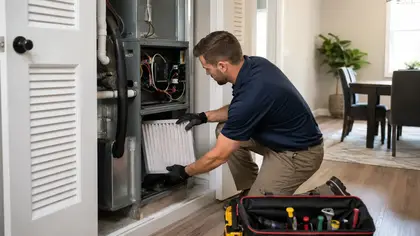
What the technician checks and what the homeowner receives after the visit.
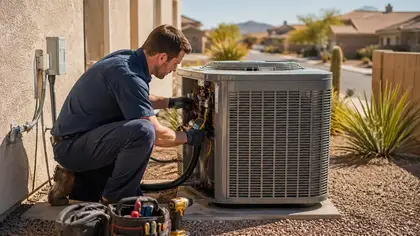
Install photos, brand certifications, and maintenance results from jobs across the Valley.
No mystery — here is the next step, so you know what to expect before you call.
Repair, replacement, maintenance, air quality, or commercial — you never have to repeat your story twice.
City, system age, symptoms, urgency, photos if you have them, and whether the house is cooling right now.
Diagnostics, options, timing, and costs explained before the tech is at your door.
Phoenix and the East Valley. Outside these areas? Call anyway — we will tell you straight whether we can help or point you to someone who can.
No-cool calls accepted across the metro in season, with honest arrival windows when demand spikes.
Installs and maintenance from the neighborhoods we serve — real jobs, real photos.
Straight answers before you schedule — no surprises at the door.
Yes — same-day dispatch across the metro during cooling season. Check your breaker and filter first; if it is still down, call and we will get a tech routed.
It depends on age, repair history, and comfort. Past roughly 12–15 years with rising repair bills, replacement usually wins — we walk through both options and timing before any estimate.
Two seasonal tune-ups, priority scheduling, filter reminders, and repair discounts — with the exclusions in writing up front.
Yes — options are presented at estimate time, with the terms in plain English before you sign anything.
Here is what matters when — so small problems get handled before they become July emergencies.
Fast phone access, honest estimates, and a plan for every season — that is how Copper State works.